 AR
 ID
 EN
 ZH

1961
6+ Decades of Heritage
Over six decades of continuous academic growth, transforming into a leading State Islamic University.
Scientific Integration
Al-Qur'an & Modern Science
Combining empirical scientific research with fundamental teachings of Al-Qur'an, Hadith, and Fiqh.
Global Reputation
World-Class Recognition
Fostering international partnerships, dual degrees, and intercultural exchange programs globally.
Our Modern & Iconic Architecture
Discover the modern facilities and scenic environment designed to foster learning, research, and spirituality.
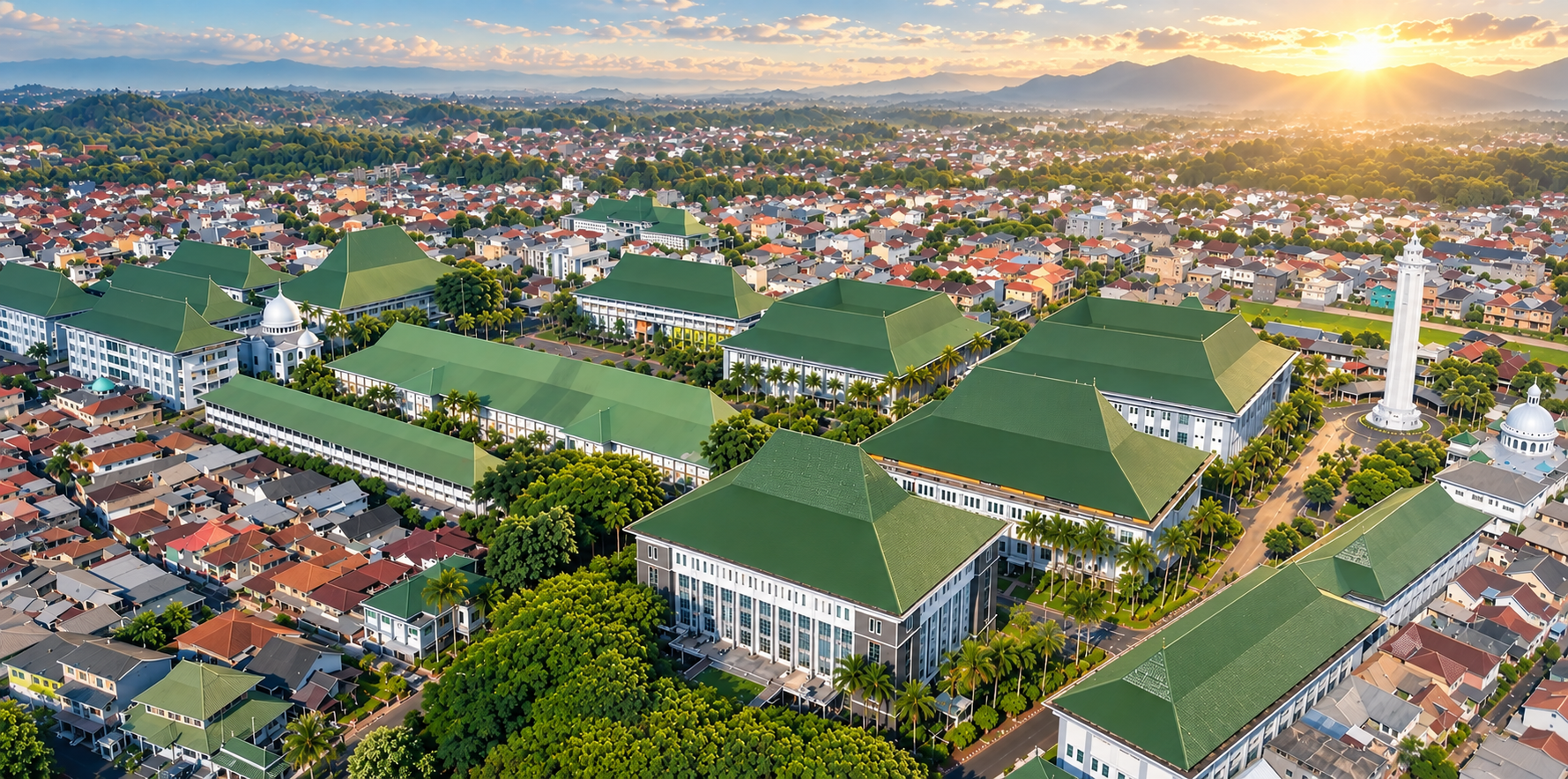
Campus 1 (Main Campus)
Jl. Gajayana No. 50, Dinoyo, Lowokwaru District, Malang City, East Java, Indonesia.
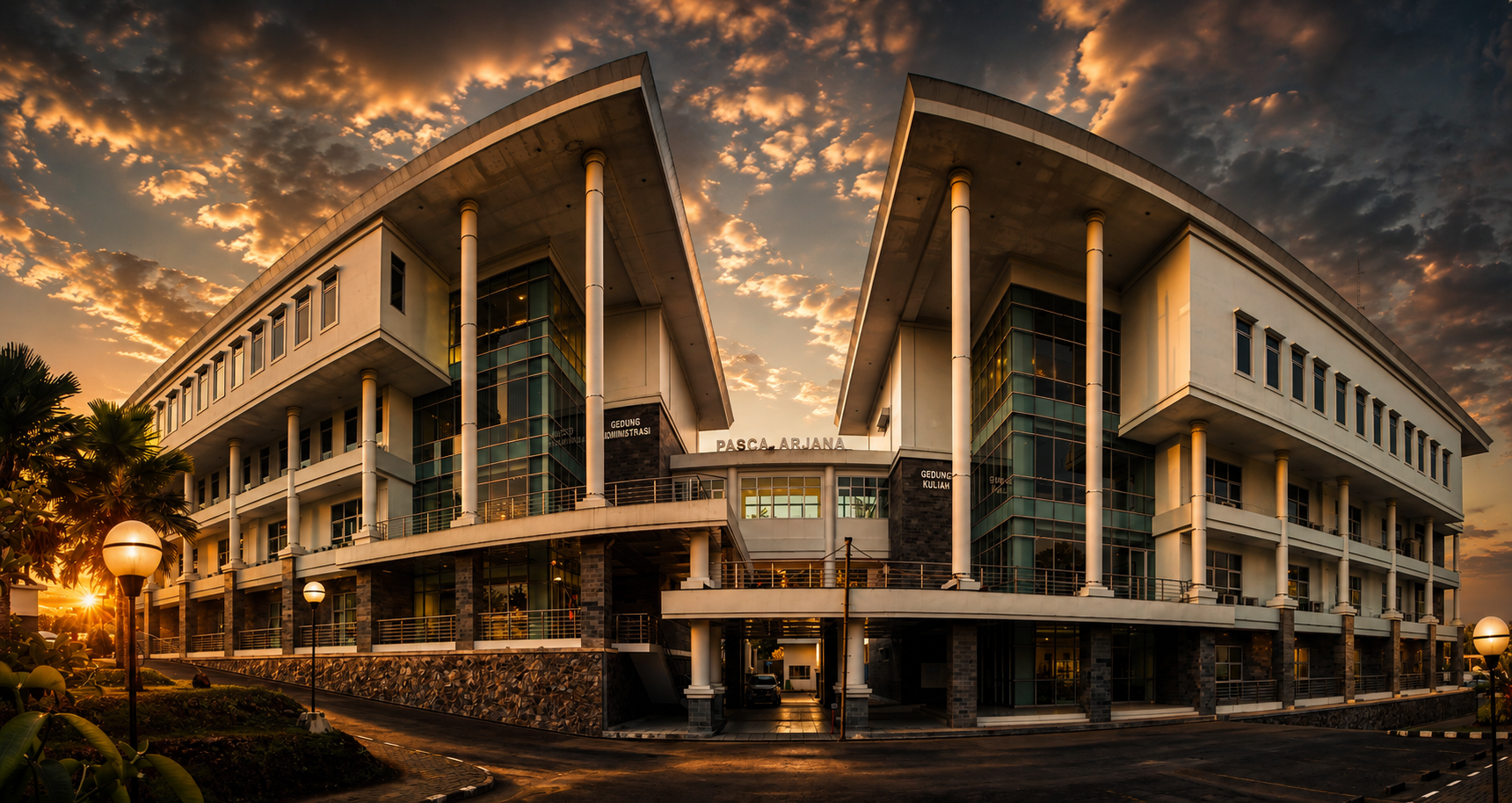
Campus 2
Jl. Raya Dadaprejo No. 1, Dadaprejo, Junrejo District, Batu City, East Java, Indonesia.
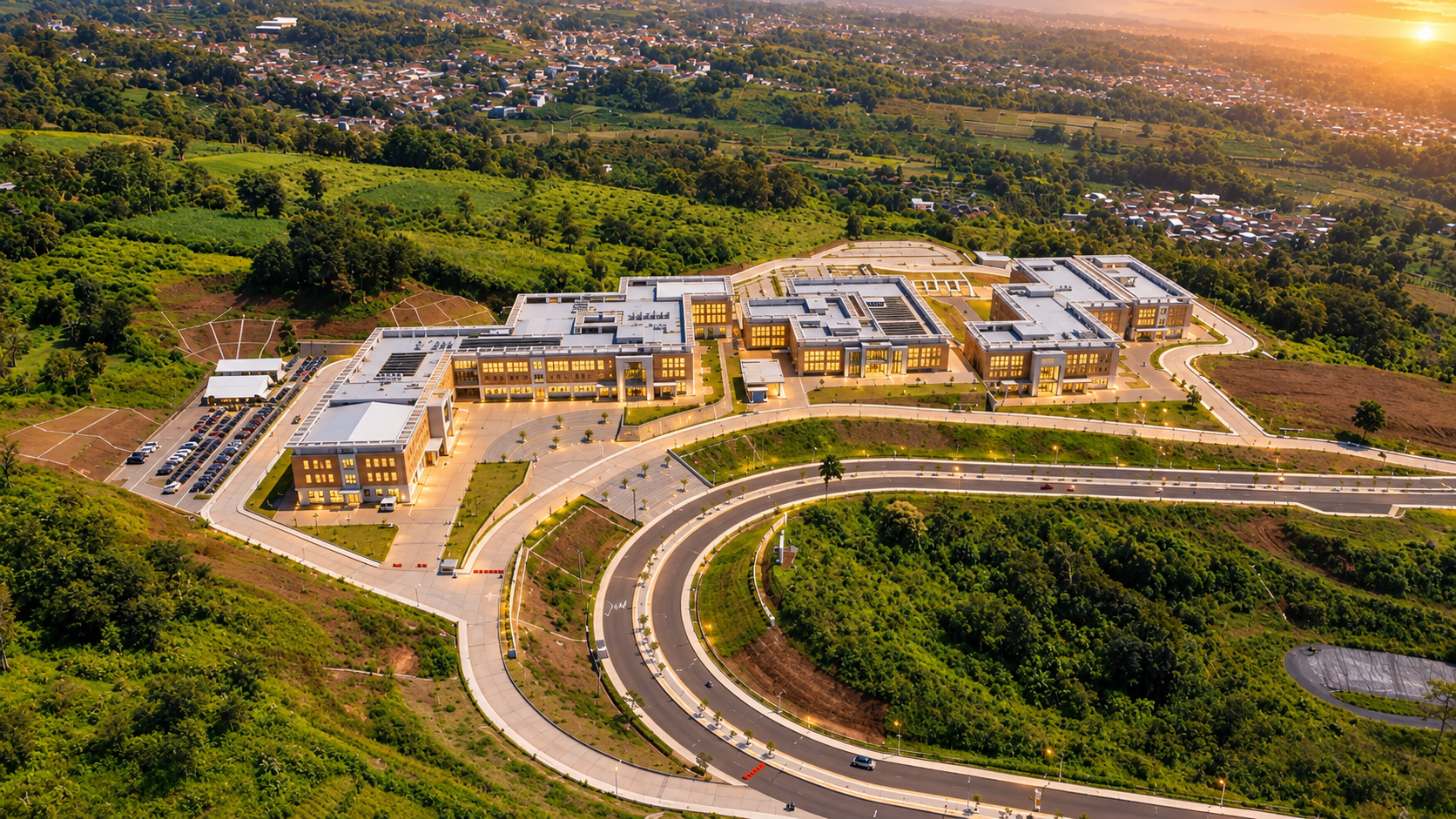
Campus 3
Jl. Locari, Tlekung, Junrejo District, Batu City, East Java, Indonesia.
The Historical Journey of UIN Malang
Faculty of Tarbiyah Malang Established
Formed based on the Minister of Religious Affairs Decree No. 17/1961 as branch faculties of IAIN Sunan Kalijaga Yogyakarta (Faculty of Tarbiyah in Malang and Faculty of Sharia in Surabaya). Officially inaugurated on October 28, 1961.
IAIN Sunan Ampel & STAIN Malang Era
In 1965, faculties were merged under IAIN Sunan Ampel. Later, via Presidential Decree No. 11 of 1997, the Faculty of Tarbiyah Malang evolved into an autonomous institution: State Islamic College (STAIN) Malang.
Indonesian-Sudanese Islamic University (UIIS)
Briefly named UIIS following a strategic international bilateral cooperation between Indonesia and Sudan, inaugurated by Vice President Dr. (Hc) H. Hamzah Haz alongside high-ranking Sudanese government representatives.
Official Transition to UIN Malang
Approved by Presidential Decree No. 50 dated June 21, 2004, and inaugurated by Coordinating Minister for People’s Welfare Prof. HA Malik Fadjar, M.Sc on October 8, 2004. June 21 is officially celebrated as the University's anniversary.
Integration of Scientific Methodology & Divine Revelation
Academically, UIN Maulana Malik Ibrahim Malang specifically develops knowledge derived not only from modern scientific methods through logical reasoning—such as observation, experimentation, surveys, and interviews—but also directly integrated with the divine teachings of the Qur’an and Hadith.
Therefore, core Islamic study courses including Al-Qur’an, Hadith, and Fiqh (Islamic Jurisprudence) occupy a vital, central position within this scientific integration framework.
"Vision: Excellence with International Reputation."


